
Agritech Fundraising: Presenting Traction, Unit Economics, and Market Access

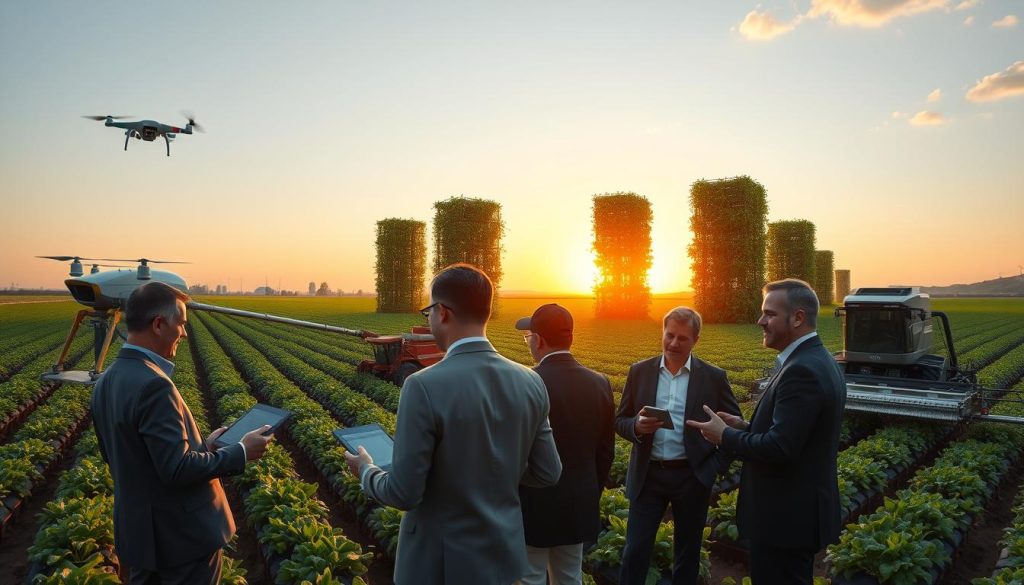
Imagine standing in a field, surrounded by rows of thriving crops. You can feel the energy of innovation in the air. This is the world of agricultural technology, where startups are not just growing plants but are also cultivating solutions for global challenges. As I guide founders through the intricate maze of raising capital, I often reflect on the immense potential that lies ahead.
In 2025, global funding for agricultural technology is projected to surpass a staggering $40 billion. Yet, securing a piece of that pie requires more than just a great idea. It demands a compelling narrative and a clear understanding of market dynamics. Investors are increasingly selective, seeking startups that can demonstrate traction and robust unit economics.
This article will serve as your roadmap, detailing how to present your business effectively to attract the necessary funding. Together, we will explore strategies to align your model with the expectations of venture capital firms and institutional partners in the United States.
Key Takeaways
- Understanding market dynamics is crucial for securing funding.
- Startups must present compelling narratives to attract investors.
- Traction and unit economics are key metrics for success.
- Aligning your business model with investor expectations is essential.
- This guide provides actionable strategies for effective fundraising.
Introduction to Agritech Fundraising
Picture a world where innovative technology meets the demands of our growing population. The global population is expected to reach 9.7 billion by 2050. This projection creates an urgent need for sustainable food production systems.
Is Senya the right capital-side partner for you?
Three fields. Thirty seconds. We only follow up when there is a genuine fit.
My journey began with this realization. Over the years, I have refined the process of agritech fundraising. My goal is to help founders turn complex technology into clear, investable opportunities for global investors.
Setting the stage for a successful seed round is crucial. It requires absolute clarity about your company mission and the specific software or hardware solutions you offer. Many startups struggle to secure funding due to a lack of disciplined communication regarding their value proposition.
By focusing on clarity and process, I assist companies in building the foundation necessary to attract the right capital partners for long-term growth.
Understanding the Agritech Landscape and Investment Trends
Visualize a landscape where technology revolutionizes farming practices. The agritech sector has undergone significant transformations in recent years. For instance, Indigo Ag raised an impressive $1.4 billion, showcasing the potential of carbon-linked platforms to attract substantial institutional investment.
Investors are increasingly focused on specific metrics. They prioritize data such as acres covered and the quality of trial data. Public AgriTech companies currently trade at a median of 2.6x EV/Revenue, which reflects a strong interest in this sector.
SOSV stands out as the most active venture capital firm, having invested in 19 startups over the last three years. Understanding these market dynamics is essential for founders looking to align their business management strategies with current investor expectations.
Whether you’re based in New York or elsewhere, the size of your addressable market and your path to profitability are critical drivers of investment. To dive deeper into effective strategies for scaling, check out this insightful guide.
| Company | Funding Raised | Focus Area |
|---|---|---|
| Indigo Ag | $1.4 billion | Carbon-linked Agronomy |
| SOSV | N/A | Venture Capital |
| Public AgriTech | N/A | Market Trading |
My Approach to Enhancing Capital Readiness
Envision a world where the right partnerships elevate the potential of innovative companies. I collaborate with Senya Solutions to provide comprehensive fundraising support tailored for bankable businesses and global founders. Our partnership focuses on clarity and discipline in capital processes, which are vital for success.
Senya Solutions excels in helping revenue-generating founders enhance their capital readiness. This includes refining positioning and pitch materials for high-stakes investor conversations. Together, we work on sharpening narratives to ensure your outreach meets the standards expected by global capital partners.
Through this collaboration, we aim to discover curated opportunities across various sectors, including software, climate, and food. Our process clarity helps founders stay calm and focused throughout the fundraising cycle, from initial outreach to final negotiations.
Developing a Strong Pitch: Traction and Unit Economics
Consider a scenario where each pitch tells a story of success and growth. Demonstrating traction is vital for attracting the right investors. For instance, Halter raised an impressive $220 million in a Series E round, showcasing the demand for their innovative virtual fencing technology.
Investors are keen on sustainable unit economics. This was a key factor that helped Pivot Bio secure $430 million in their Series D funding round. Your pitch should clearly articulate how your software or hardware solution achieves yield uplift or cost savings for end-users in agriculture.
I assist founders in building financial models that prove their business can scale efficiently. This is especially important in complex environments like controlled farming or robotics. Highlighting trial-to-commercial conversion rates provides the data-driven evidence that venture capital investors require before committing to a term sheet.

agritech fundraising Strategies for Startup Success
Envision a scenario where strategic narratives unlock funding opportunities for startups. In the competitive landscape of agriculture technology, the right approach can make all the difference. Over the past year, 24 startups successfully raised funding, demonstrating that investors are still keen to support compelling stories.
Here are some effective strategies to enhance your chances of success:
- Tailor your pitch to align with the specific interests of climate funds, corporate venture arms, or specialized investors.
- Incorporate data-driven insights to showcase retention and distribution partnerships.
- Understand the nuances of your agricultural sub-sector, whether it be biologicals, robotics, or farm management software.
- Align your narrative with current investment trends to increase your appeal to potential backers.
By following these strategies, you can effectively position your startup to attract the capital needed for growth and impact in the agricultural sector.
Crafting Clear Narratives and Financial Metrics
Consider the vital role of storytelling in attracting the right investors to your venture. A compelling narrative connects your technical innovation to the pressing global need for food security and sustainable agricultural practices. By articulating this connection, you not only engage investors but also showcase the impact of your solutions.
I collaborate with founders to integrate detailed financial models that account for the longer development timelines often found in the agritech sector. Your financial metrics should clearly show how you plan to achieve profitability, even if your business model requires patient capital for initial scaling.
Investors want to see that you understand the nuances of your specific market. This includes everything from crop input revenue to subscription-based software annual recurring revenue (ARR). By presenting a clear, data-backed narrative, you build the trust necessary to secure long-term support from your capital partners and board members.

- Crafting a compelling story involves connecting your technical innovation to the broader global need for food security and sustainable agricultural practices.
- I work with founders to integrate detailed financial models that account for the longer development timelines often found in the agritech sector.
- Your financial metrics should clearly show how you plan to achieve profitability, even if your business model requires patient capital for initial scaling.
- Investors want to see that you understand the nuances of your specific market, from crop input revenue to subscription-based software ARR.
- By presenting a clear, data-backed narrative, you build the trust necessary to secure long-term support from your capital partners and board members.
For further insights into effective fundraising strategies, check out this resource.
Navigating Funding Options: Grants, Equity, and Blended Financials
Imagine navigating a complex maze of funding options designed to fuel your startup’s growth. Understanding the funding landscape is essential for founders seeking to maximize their impact.
One of the best places to start is with non-dilutive funding sources. For example, the SBIR Phase I program offers up to $275,000 for feasibility studies. This funding can be a lifeline for early-stage companies.
As I guide founders, I emphasize the importance of knowing when to layer in equity financing. This ensures that you do not dilute your ownership too early in your company’s lifecycle.
Blended financing strategies can be particularly effective. By using grants for research and development, you can reserve equity for rapid scaling and market expansion. Understanding the requirements of federal agencies like the USDA or DOE is crucial for securing these competitive grants.
By balancing different capital sources, you maintain control over your vision while building the infrastructure needed for long-term growth. For more insights on alternative funding options, check out this resource.
Leveraging Strategic Partnerships and Industry Expertise
Think about the power of connecting with established leaders in agriculture to enhance your startup’s reach. Building strong partnerships can open doors to new markets and resources.
By collaborating with industry giants like John Deere, startups can gain access to distribution channels that are crucial for scaling their technology globally. These alliances provide not just capital but also valuable insights into market needs.
I assist founders in connecting with global investors and wealth managers who seek high-quality opportunities in the climate and agriculture sectors. Developing long-term capital relationships is vital. It requires consistent communication and transparency, especially during the months between funding rounds.
Engaging with corporate venture arms offers access to both financial support and technical expertise. These relationships form the bedrock of a successful fundraising strategy, providing the credibility needed to navigate complex market cycles.
“Strategic partnerships are the key to unlocking potential in the agricultural sector.”
For more insights on building these partnerships, check out this article.

Achieving Market Access and Demonstrating Scale
Imagine a thriving marketplace where innovative solutions meet the needs of modern farmers. Achieving market access is the ultimate goal for many startups. With approximately $16.2 billion in total tracked funding currently supporting innovation, the landscape is ripe for growth.
Data shows that 73 out of 100 startups in our ranking are active. This resilience indicates that scale is a primary factor for success in this sector. I assist founders in utilizing advanced metrics, such as grower retention and distribution partner sign-ups, to showcase their market penetration to potential investors.
Expanding your outreach requires a disciplined approach to sales and marketing. It’s crucial to ensure that your technology reaches the farmers who need it most. By focusing on these key performance indicators, you provide the evidence necessary to justify your valuation and secure your next round of growth capital.
| Metric | Current Value | Importance |
|---|---|---|
| Total Funding | $16.2 billion | Supports innovation |
| Active Startups | 73 out of 100 | Indicates resilience |
| Key Metrics | Retention, Sign-ups | Demonstrates market penetration |
Conclusion
Successful agritech fundraising is not just a sprint; it’s a marathon that demands a clear strategy and disciplined execution. Founders must understand their specific market to attract the right investors. By combining non-dilutive grants with strategic equity rounds, you can build a resilient company that stands out.
Your pitch should always be backed by solid data, showcasing clear traction and sustainable unit economics. This is crucial for meeting the expectations of discerning venture capital partners. I encourage you to start building your capital relationships now, well before you need funding to reach your next milestone.
With the right support and a focus on market access, you can scale your agricultural technology and create a lasting impact on the global food system. For more insights on seed funding options, check out this resource.